


The Marine Protected Area (MPA) Capacity Community of Practice (CoP) is a global network of partners working to strengthen capacity for effective and equitable marine area management through systems thinking and coordinated portfolios of action that align learning, investment, and collaboration across the conservation sector.
As part of the MPA Capacity CoP’s focus on Bolstering Institutional Capacity, the Center for Protected Area Management and the Blue Nature Alliance host this 3-part webinar series, which showcases Marine Protected Area capacity development programs from around the world and highlights practical experiences, approaches, and lessons from implementation.
Each 90-minute session will feature two capacity development programs sharing case studies on their models, implementation journeys, and the factors that have enabled long-term sustainability and impact.
Insights from the series will contribute to a synthesis “blue paper” developed through the MPA Capacity CoP, helping to distill lessons learned that can be shared widely and inform future investment and practice in MPA capacity.
WHY THIS MATTERS:
MPAs are only as effective as the institutions and people that support them. While investment in marine protection is growing, many capacity development approaches remain inconsistently applied, short-term in duration, and often poorly documented.
By bringing together real-world experiences from across the globe, this series helps surface practical lessons, shared challenges, and emerging approaches that can strengthen how capacity is designed, supported, and sustained. In doing so, it contributes to more effective, equitable, and resilient marine area management.

CALENDAR:
April 30th, 7AM Colorado/USA time (UTC/GMT -6) 90 minutes
- Featured Speakers:
- Lea C. Avilla, Department of Environment and Natural Resources, Ocean Environment Task Force, Philippines
- Rili Djohani, Coral Triangle Center, Indonesia
May 7th, 7AM Colorado/USA time (UTC/GMT -6) 90 minutes
- Featured Speakers:
- Arthur Tuda, Western Indian Ocean Marine Science Association (WIOMSA), Tanzania
- Ryan Finchum, Center for Protected Area Management, Colorado State University, USA
May 21st, 7AM Colorado/USA time (UTC/GMT -6) 90 minutes
- Featured Speakers:
- María Carolina Jarpa Varela, The Pew Charitable Trusts, Chile
- César Guala Catalán, Universidad Austral de Chile, Chile
- Mike Lameier, National Oceanic and Atmospheric Administration (NOAA), USA
WHO SHOULD ATTEND?
- Marine conservation practitioners
- MPA managers and planners
- Government agency staff
- Funders/donors
- NGO programme leads
- Capacity development professionals
WEBINAR SESSION DETAILS:
April 30th, 7AM Colorado/USA time (UTC/GMT -6) 90 minutes
Featured Presentations:
Catalysing Conservation: Scaling Capacity for a Sustainable and Equitable Coral Triangle
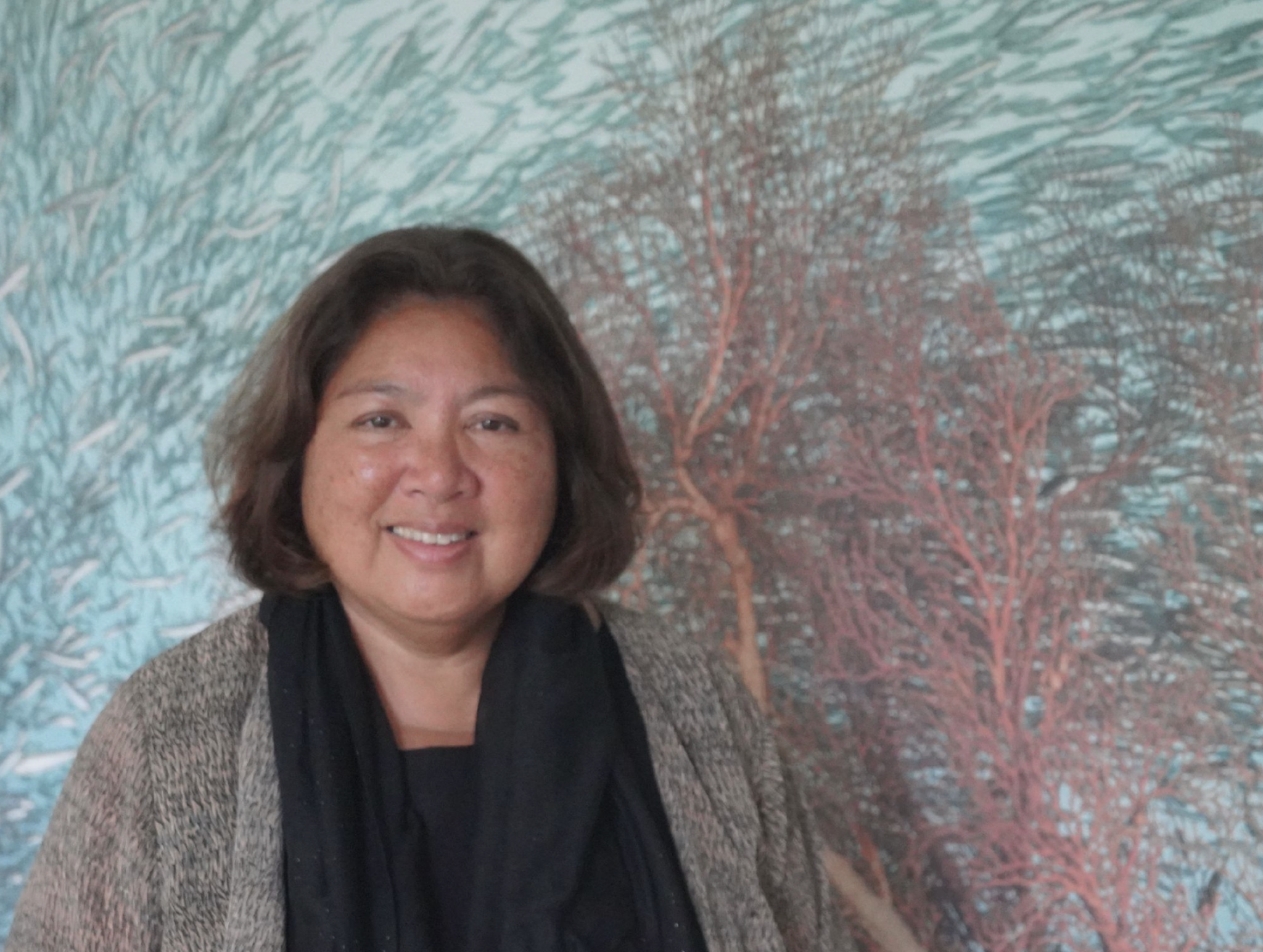
Rili Djohani, Coral Triangle Center, Southeast Asia
Co-founder and Executive Director of Coral Triangle Center
Rili Djohani has over 30 years of experience in marine conservation and sustainable fisheries in the Asia-Pacific region. She is the co-founder and Executive Director of the Coral Triangle Center (CTC) which supports an integrated portfolio of marine protected areas, capacity building and learning networks across the Coral Triangle region. Rili established CTC’s Center for Marine Conservation in Bali as a regional learning hub with meeting facilities and interactive ocean exhibitions for the public, and co-chaired the Women Leaders Forum for the Coral Triangle Initiative for Coral Reefs, Fisheries and food Security (CTI-CFF). She holds master’s degrees in tropical Marine Ecology from University of Leiden and Tropical Coastal Zone Management from Newcastle University upon Tyne. Rili has done research on coral reefs, governance resilience of marine and conserved areas and traditional marine tenure systems of the Bajau people in Indonesia.
Initiative Description:
My presentation will focus on scaling capacity building programs across the Coral Triangle region to catalyze, accelerate and sustain the development of human capital in support of the global goal to setting aside 30 percent of the oceans by 2030 and beyond with an emphasis on gender equality and social inclusion.
Building Capacity for Marine Protected Area Management: A National Program in the Philippines
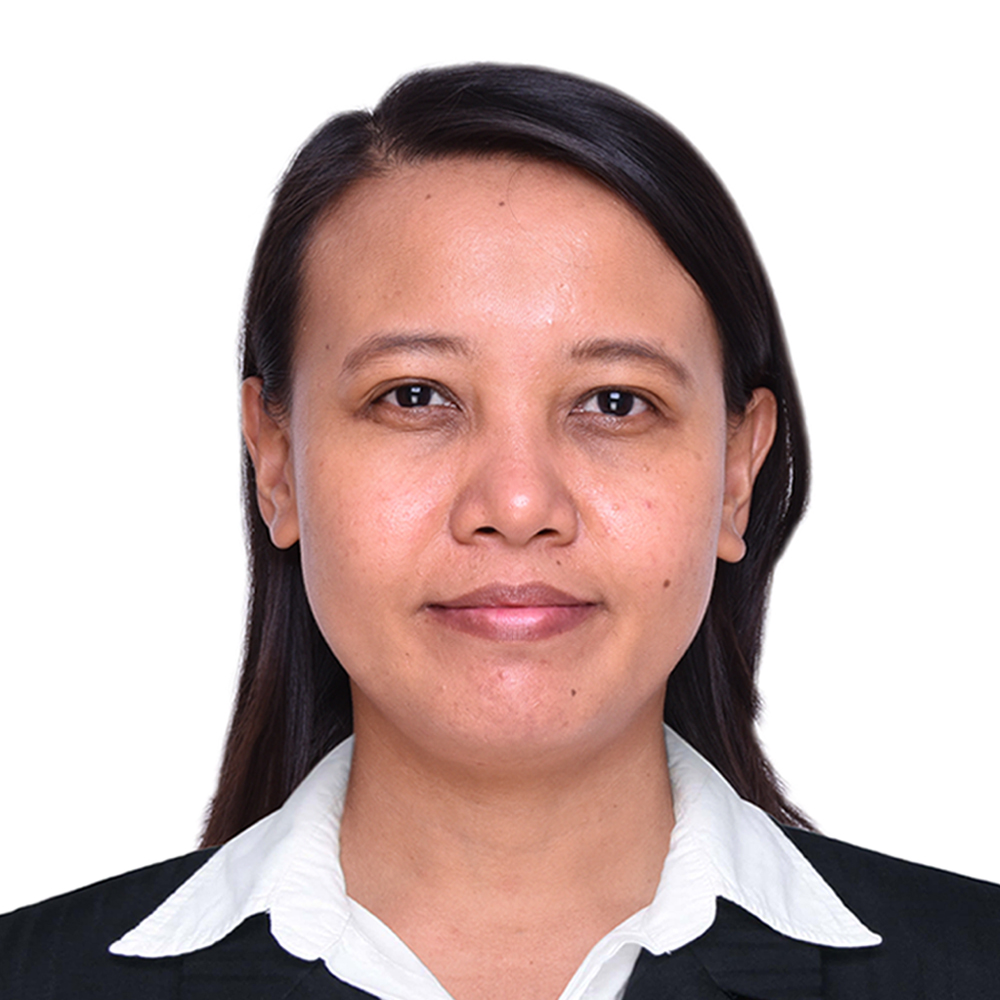
Lea C. Avilla; Department of Environment and Natural Resources, Ocean Environment Task Force, Philippines
Supervising Science Research Specialist, DENR-OETF, Philippines
Lea C. Avilla is a Supervising Science Research Specialist under the DENR Ocean Environment Task Force (OETF), established in July 2025. She previously served as Planning Officer of the Biodiversity Management Bureau – Coastal and Marine Division (BMB-CMD), contributing to policies, programs, and capacity-building initiatives for coastal and marine ecosystem management.
With over five years of experience, she has advanced CMEMP through strategic planning, roadmaps, and technical assessments. As a focal person and national mentor under NIMCAP, she supports module development with partners such as the United States Agency for International Development (USAID) and the National Oceanic and Atmospheric Administration (NOAA), and helps strengthen a nationwide pool of DENR mentors.
Her current role in OETF contributes to the development of an integrated ocean governance framework within DENR, aimed at expanding CMEMP implementation and other ocean governance initiatives of the Department across broader ocean spaces.
Initiative Description:
The presentation will highlight the NIPAS MPA Capacity Building Program (NIMCAP), a national initiative of the Department of Environment and Natural Resources (DENR), implemented through the Biodiversity Management Bureau – Coastal and Marine Division, designed to strengthen the technical, managerial, and institutional capacities of personnel managing Marine Protected Areas (MPAs) under the National Integrated Protected Areas System (NIPAS).
Aligned with the Coastal and Marine Ecosystems Management Program (CMEMP), NIMCAP delivers standardized training modules, develops a network of national and regional mentors, and facilitates continuous learning through regionally clustered training programs. The initiative promotes science-based, ecosystem-based management and enhances the effectiveness of MPA networks within the broader framework of integrated coastal management.
WEBINAR SESSION DETAILS:
May 7th, 7AM Colorado/USA time (UTC/GMT -6) 90 minutes
Additional Resources from Webinar:
Featured Presentations:
Beyond Training: Building a Professional Workforce for Marine Conservation
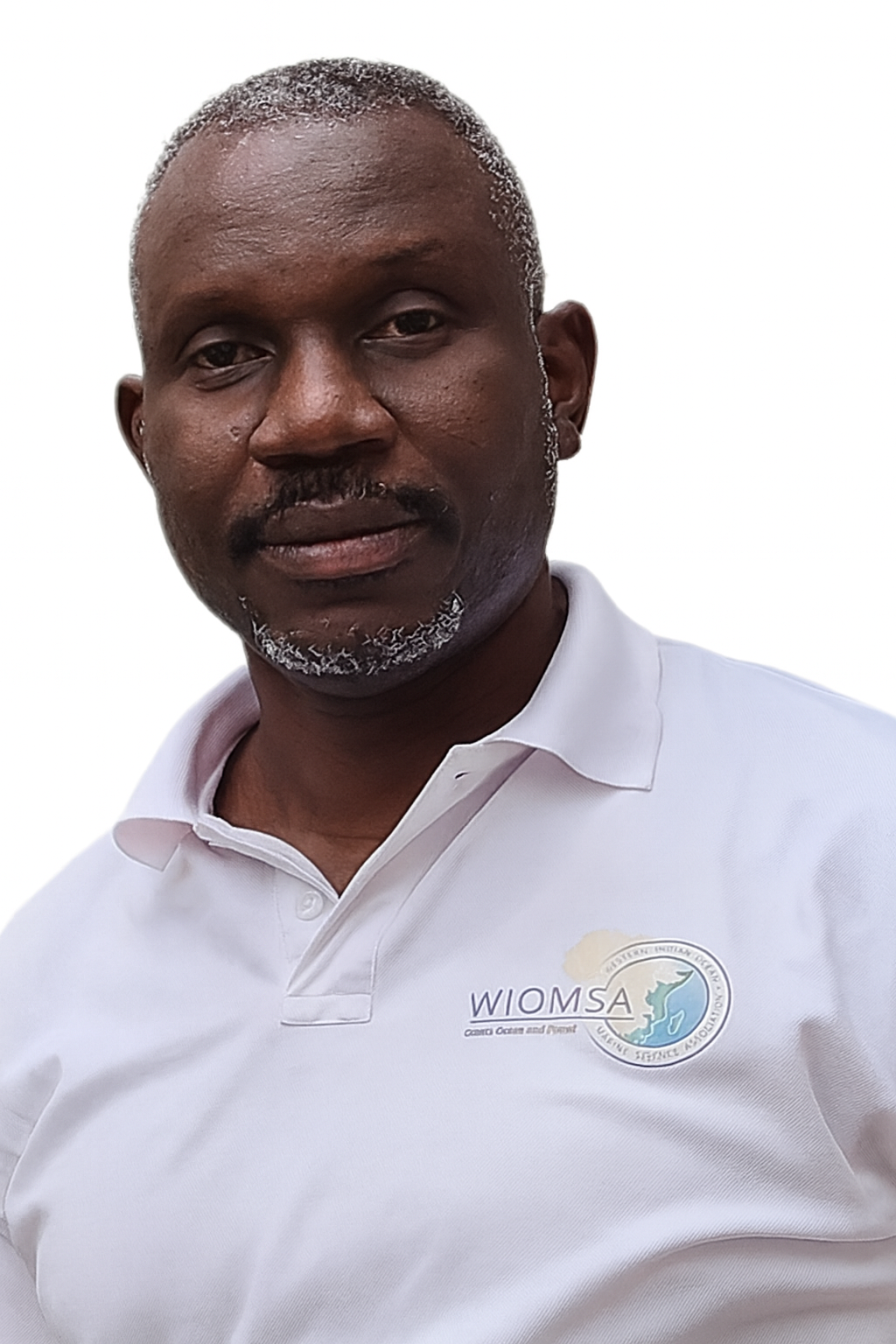
Arthur Tuda, Western Indian Ocean Marine Science Association (WIOMSA), Tanzania
Executive Director of WIOMSA
Dr. Arthur Tuda is the Executive Director of WIOMSA and a marine scientist and science–policy leader with over 25 years’ experience in marine conservation and governance. He has worked extensively across the Western Indian Ocean to strengthen MPA effectiveness by building the capacity of people and institutions for conservation.
Through initiatives such as WIOMPAN and WIO-COMPAS, he has advanced the professionalization of MPA management, linking practitioners, science, and policy. His work focuses on developing systems that match capacity to management needs, enabling more effective, locally grounded, and sustainable marine conservation outcomes across the region.
Initiative Description:
Efforts to strengthen marine conservation have focused on training, yet gaps in effectiveness persist. This presentation argues for a shift from ad hoc capacity building to professionalizing the MPA workforce. Drawing on Western Indian Ocean experience, it highlights aligning competencies with management needs, strengthening systems, and building career pathways to deliver effective, sustainable conservation outcomes.
Building Lasting Capacity for Marine Protected Areas: Lessons from 30 Years of Practice

Ryan Finchum, Center for Protected Area Management, USA
Director of the Center for Protected Area Management, Colorado State University
Ryan Finchum is Director of the Center for Protected Area Management at Colorado State University, where he leads global capacity development initiatives for professionals working across marine and terrestrial protected areas. He began his career in marine conservation with the Charles Darwin Research Station in the Galápagos Marine Reserve, grounding his work in the realities of managing complex coastal and ocean ecosystems. Over the past three decades, Ryan has designed and delivered learning programs that have engaged more than 17,000 practitioners from 108 countries, emphasizing peer exchange, leadership development, and practical application. He focuses on building sustainable, impactful programs that strengthen both technical skills and the confidence of practitioners to lead change.
Initiative Description:
This talk will draw on over 30 years of experience from Colorado State University’s Center for Protected Area Management (CPAM) to explore how capacity development can more effectively strengthen marine protected area (MPA) systems worldwide. It will provide a concise overview of CPAM’s cohort-based, practitioner-centered approach which is grounded in peer learning, applied problem-solving, and long-term professional networks. It will also show how this model has evolved to address critical gaps in leadership, institutional capacity, and cross-sector collaboration. The presentation will highlight how CPAM embeds learning within the realities of agencies and organizations, sustains programs through diversified funding and partnerships, and is working to find ways to measure impact at individual, organization, and systems levels. It will also reflect on key challenges, lessons learned, and opportunities to scale and adapt this approach to better support the next generation of marine conservation leaders.
WEBINAR SESSION DETAILS:
May 21st, 7AM Colorado/USA time (UTC/GMT -6) 90 minutes
Featured Presentations:
Building capacity in Chile with PEW Charitable Trust and la Universidad Austral de Chile
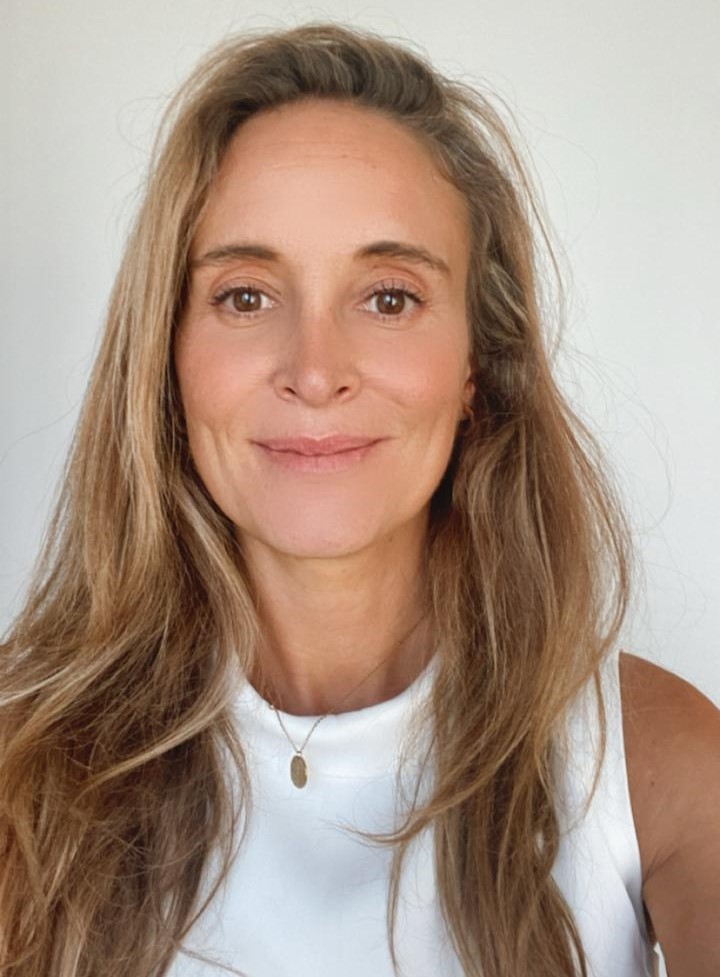
María Carolina Jarpa Varela, The Pew Charitable Trusts
Public Policy Officer, Chilean Patagonia Project
Carolina Jarpa has worked with both national and international private foundations dedicated to conservation. For the past six years, she has been part of the Chilean Patagonia team at The Pew Charitable Trusts.
In her current role, she has focused on supporting public policies related to conservation and promoting collaboration among diverse stakeholders to develop financial mechanisms that incentivize donations for environmental purposes. This collaborative work contributed to the approval of Law 21.440, which includes environmental causes among the beneficiaries of tax incentives associated with charitable donations.
She holds a bachelor’s degree in Fine Arts and a Master’s degree in Human Settlements and Environment from the , where she also completed complementary studies in ecology and landscape design. She also holds a diploma in Governance and Management of Marine Protected Areas.
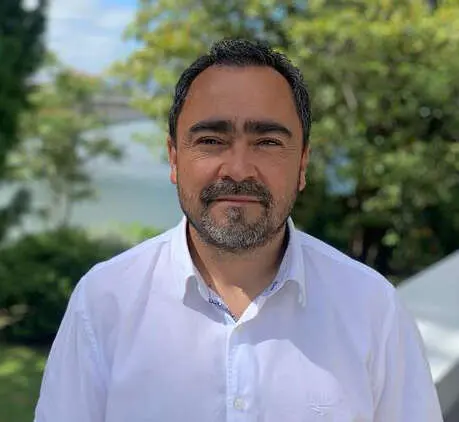
César Guala Catalán, Universidad Austral de Chile
Director del Programa Austral Patagonia (ProAP) de la Universidad Austral de Chile
Lessons from Long-term Capacity-sharing at the Pacific Islands Managed and Protected Area Community (PIMPAC)
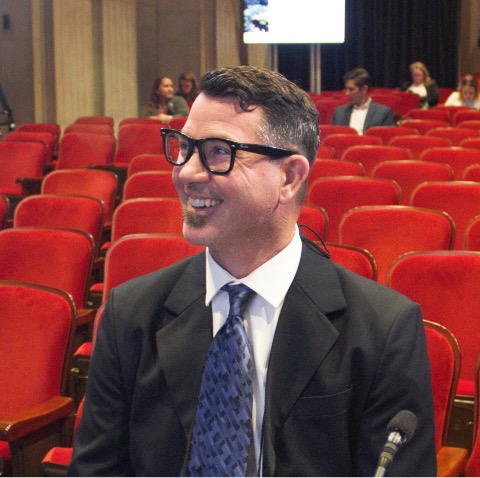
Mike Lameier, National Oceanic and Atmospheric Administration (NOAA)
International lead, NOAA’s Coral Reef Conservation Program
Mike Lameier is NOAA’s Coral Reef Conservation Program’s International lead, where he oversees engagement, partnerships, and capacity-building in the Wider Caribbean, Coral Triangle, and Micronesia regions. He is the United States Coral Reef Task Force (USCRTF) Coordinator and chair of the USCRTF Enforcement Working Group. From 2010-2022, he was a coral reef fisheries biologist with the National Marine Fisheries Service’s Pacific Island Regional Office in Honolulu, where he co-managed the Pacific Islands Managed and Protected Area Community (PIMPAC) along with a colleague from the Micronesia Conservation Trust. Mike was a marine conservation Peace Corps Volunteer in the Republic of Vanuatu from 2001-2005. He attended the University of South Carolina for undergraduate and the University of Hawaiʻiat Manoa for graduate studies.
Initiative Description:
Mike will be presenting on the Pacific Islands Managed and Protected Area Community (PIMPAC), which is a highly collaborative capacity-building program for the Freely Associated States of Micronesia, Guam, the Commonwealth of the Northern Marianas Islands, American Samoa, and Hawaiʻi.