
High-impact research. Everyday solutions.
At Colorado State University, research doesn’t stop at discovery; it moves into action. Our work fuels healthier lives, stronger communities, resilient industries, and a more sustainable world. From clean energy innovations to public health breakthroughs, CSU research delivers practical solutions to the challenges people face every day. As a leading research university and a new model for the modern land-grant mission, we’re turning ideas into impact across Colorado and far beyond.
Where
great minds gather
Our faculty and students work across disciplines to tackle complex climate, water, and sustainability challenges.
Areas of expertise

Carbon and Climate

Food

Sustainability

Water

Wildlife and Biodiversity

Wildfire
how we
Work
We collaborate alongside researchers, community members, students, and others to train the next generation of climate conservationists, data collectors, watershed stewards, and more.
Climate and Carbon
Examining the effects of climate change on food, water, and ecosystems, and strategies for carbon mitigation.
- Carbon Research
- Radiation and Pollution
- Human Impacts
- Environmental Governance
Food
Food systems are intertwined with the global carbon balance, and many ESS faculty have research that connects climate change, carbon, and food.
- Aquaculture
- Croplands
- Rangelands
- Land-Use Change
- Pollinators and Ecosystem Services

Sustainability
Sustainability is a theme that connects all research in ESS and is a key component of the B.S. in Ecosystem Science and Sustainability and the M.S. and Ph.D. in Ecosystem Sustainability. Although interwoven throughout all faculty research, below are a few areas of impact to note.
- International Partnerships
- Mountain Sentinels Network
- Tropical Watersheds
Water
ESS hosts the only water-focused degree programs at CSU: the B.S. in Watershed Science and Sustainability, the M.S. and Ph.D. in Watershed Science, and a Graduate Certificate in Water Resources. Faculty research includes water in multiple forms and locations.
- Snow
- Streams
- Lakes
- Oceans
- Wetlands
- Human Uses
Wildlife and Biodiversity
ESS Faculty members have made significant strides in wildlife theory and biodiversity conservation across various areas.
- Global Species-Habitat Relationships
- Wetland Wildlife Habitat Provisioning
- Parasite-Host Relationships
Wildfire
ESS faculty have been heavily engaged in research examining the impact of wildfires on watersheds. Their work spans from actively studying post-wildfire restoration initiatives in the Rockies to investigating the importance of local fire knowledge in integrated fire management within the Bolivian Amazon.
- Influence on Snowpack
- Streamflow and Sediment
- Water Quality
Student research opportunities
We host a diverse range of laboratories focused on key disciplines such as food, water resources, climate, and sustainability.
Teams of faculty and students work collaboratively to address environmental challenges through cutting-edge research and innovative approaches. They develop solutions that promote long-term sustainability, improve ecosystem health, and support resilient communities – advancing scientific understanding while shaping real-world policies and practices for a sustainable future.
If available, positions will be shared on this page.
Undergraduate research

Skills for Undergraduate Participation in Ecological Research
Connect with faculty members to gain foundational research skills through our Skills for Undergraduate Participation in Ecological Research program.
ESS Laboratories
-

Climate Solutions Lab
We pioneer innovative solutions for climate change mitigation through collaborative scientific research and discovery using biological systems in soil and agriculture, deliver high-quality, and cost-effective bio-transformative climate solutions to reduce greenhouse gas emissions and remove carbon dioxide from the atmosphere.
-
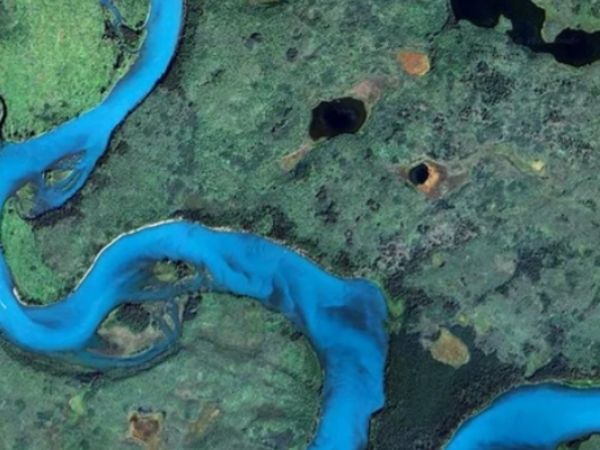
Radical Open Science Syndicate
ROSS builds datasets, tools, workflows, and partnerships to help better understand and manage freshwaters in Colorado, the United States, and beyond
-

USDA UV-B Monitoring and Research Program
A program measuring Ultraviolet Radiation and studying its effects on agriculture and the atmosphere.
-
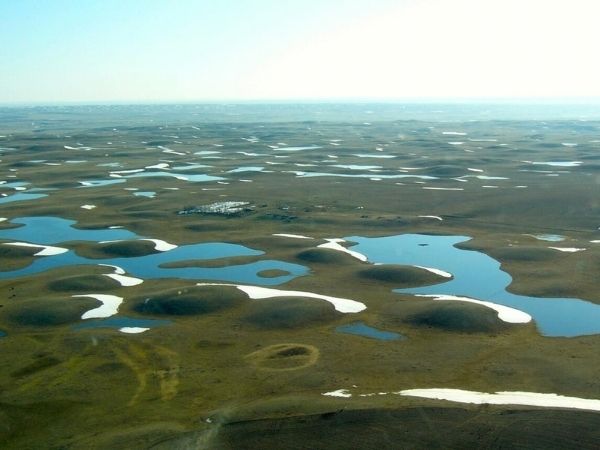
O’Connell Landscape Monitoring Lab
We conduct research on broad-scale ecosystem resiliency and conservation through data science, remote sensing, field ecology, and ecological experiments, focusing on wetland-dominated landscapes
-
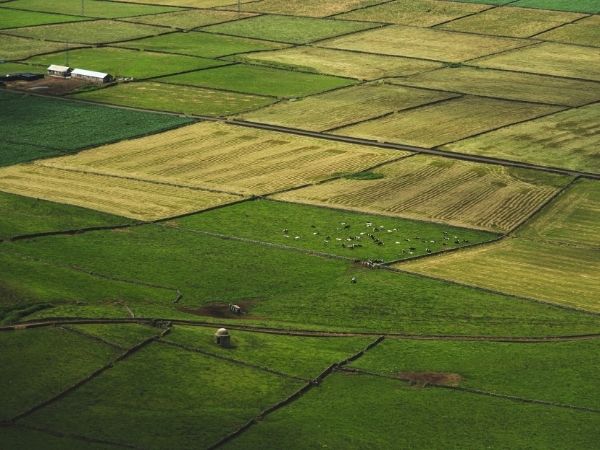
Agricultural Sustainability & Climate Impacts Lab
Using spatial data science to understand and adapt to climate risk in the world's food ecosystems.
-
Klein Lab Group
Our research combines field experiments, local knowledge, modeling, systematic reviews, GIS, surveys, and synthesis to understand how interacting global changes affect pastoral and mountain ecosystems.
No results match the selected filters.