
-
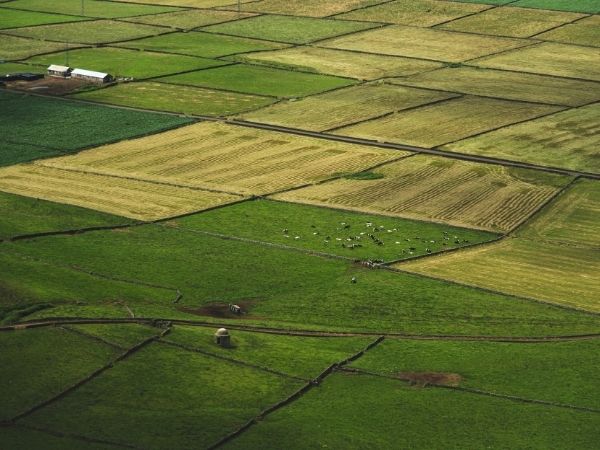
Agricultural Sustainability & Climate Impacts Lab
Colorado State University · Ecosystem Science and Sustainability
Using spatial data science to understand and adapt to climate risk in the world's food ecosystems.
-
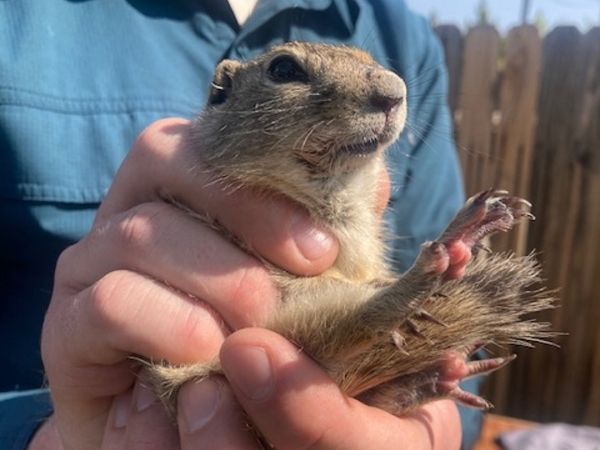
Aubry Lab
Fish, Wildlife and Conservation Biology
The Aubry lab studies the impacts of anthropogenic pressure on the demography, ecology, and micro-evolution of wild populations as well as predicting how wild populations respond to management actions and conservation practices.
-
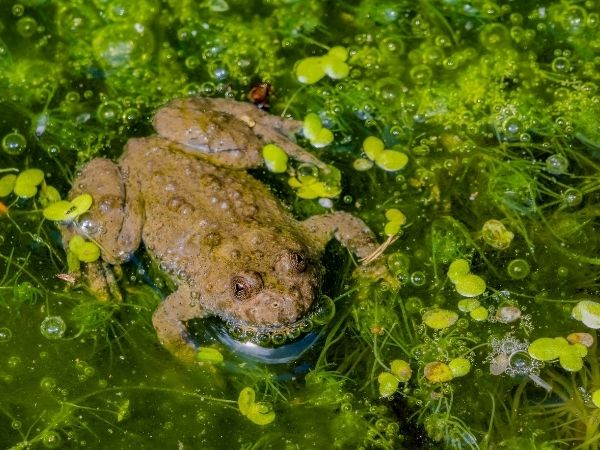
Bailey Lab
Fish, Wildlife and Conservation Biology
Focused on measuring and monitoring biological systems such as population size and species distribution and the vital rates responsible for changes in these state variables, specifically in amphibian and reptile.
-
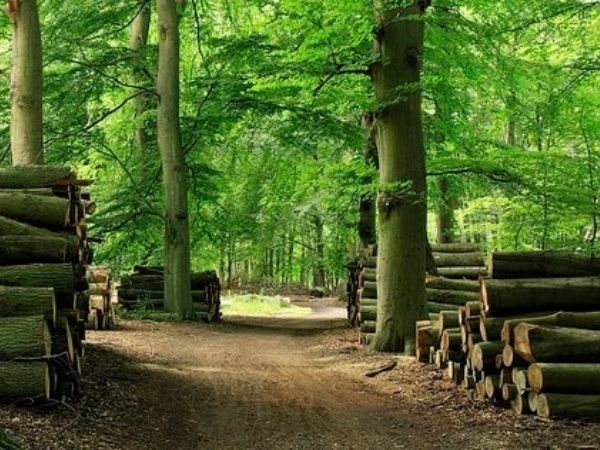
Baral Forest Economics Lab
Forest and Rangeland Stewardship
We research the economic values of forests and other natural resources under uncertainty to address the most important emerging questions related to the resiliency of forest and rangeland ecosystems.
-
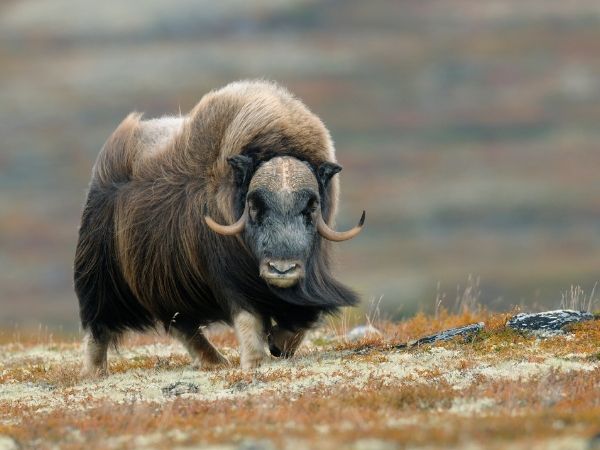
Berger Lab
Fish, Wildlife and Conservation Biology
Researching extreme species in extreme places, focusing on population ecology, thermal ecology, landscapes change, migration, and climate stressors.
-

Biocultural Diversity and Conservation
Human Dimensions of Natural Resources
We develop and promote biocultural approaches to environmental conservation and resource management practices.
-

Biodiversity Governance Lab
Human Dimensions of Natural Resources
We study the role of institutions in biodiversity conservation with a focus on animal species, particularly vertebrates, with a mission to contribute to conservation and governance scholarship as well as to conservation practice.
-
Cavaliere Critical Conservation Lab
Human Dimensions of Natural Resources
Our mission is to advance biocultural conservation research by illuminating the nuances of biocultural identities to strengthen justice, ecological resilience, and regenerative human–nature relationships for wellbeing.
-
Climate Solutions Lab
Ecosystem Science and Sustainability
We pioneer innovative solutions for climate change mitigation through collaborative scientific research and discovery using biological systems in soil and agriculture, deliver high-quality, and cost-effective bio-transformative climate solutions to reduce greenhouse gas emissions and remove carbon dioxide from the atmosphere.
-
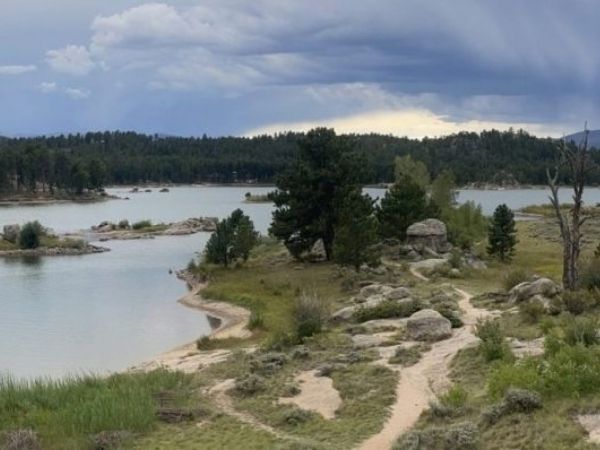
Collective for Nature Immersion Science and Practice
Human Dimensions of Natural Resources
cNISP aims to increase the capacity of nature-based programming to support happier, healthier and more sustainable communities by facilitating collaboration and co-learning between practitioners and researchers working at the intersection of nature immersion and human health and well-being.
-
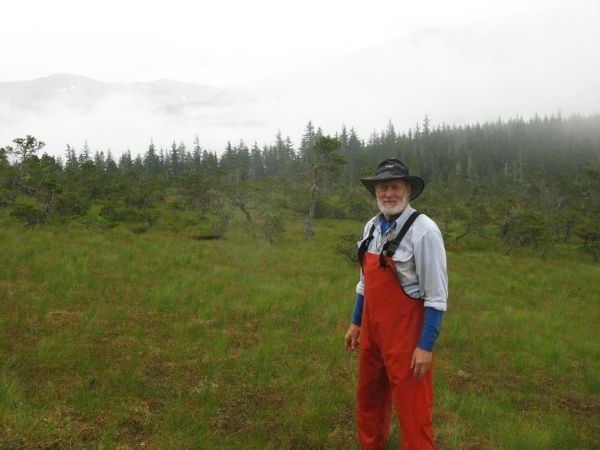
Cooper Lab
Forest and Rangeland Stewardship
The Cooper Lab works to assess how changes in climate or direct human manipulation of water availability could influence ecosystems such as peatlands, springs, salt flats, rivers and floodplains, and marshes and meadows.
-
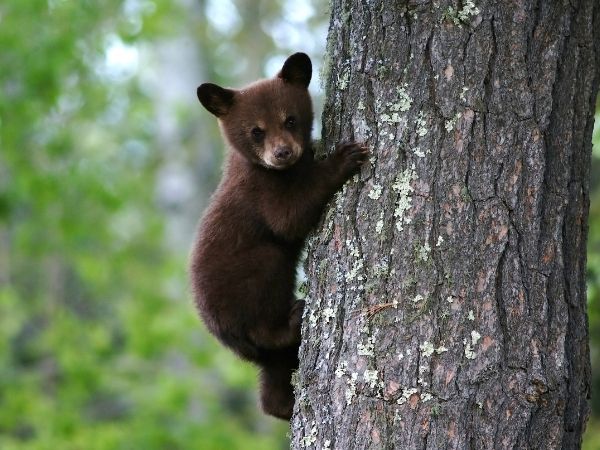
Crooks Lab: Wildlife Ecology and Conservation
Fish, Wildlife and Conservation Biology
We focus on ecology and conservation of mammals, often focusing on carnivores, specifically the impacts of anthropogenic disturbances on wildlife.
-
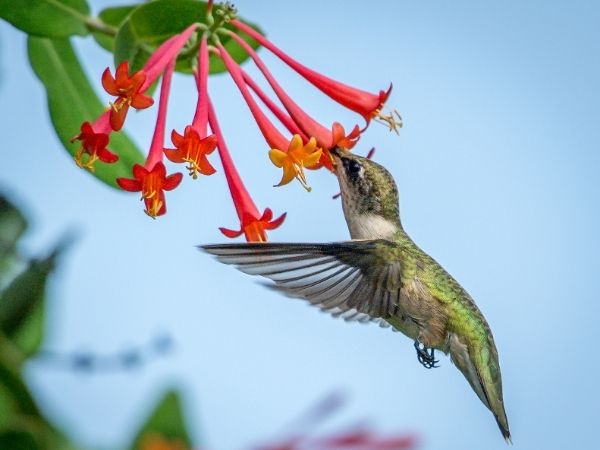
Doherty Lab
Fish, Wildlife and Conservation Biology
Focused on population and community-level ecology of birds, specifically: forest fragmentation, life history predictions, waterfowl ecology, and species of concern.
-

Dryland Ecology & Management Lab
Forest and Rangeland Stewardship
From plant and soil restoration to sustainable management in agroecosystems, we support communities, facilitate restoration, and increase the long-term resiliency of dryland ecosystems.
-

Ecological Climatology and Global Change Lab
Ecosystem Science and Sustainability
We use a combination of measurements with process-based models to understand how terrestrial ecosystems respond to and contribute to environmental changes
-

Fire Ecology Lab
Forest and Rangeland Stewardship
We are a team of ecologists and fire scientists working on applied and basic research relating to fire.
-

Fluvial Geomorphology Lab
Geosciences
We seek to document and explain how the underlying physics of water and sediment moving across landscapes are expressed within the distinctive geology, climate, and geomorphic and ecological history of individual drainages.
-
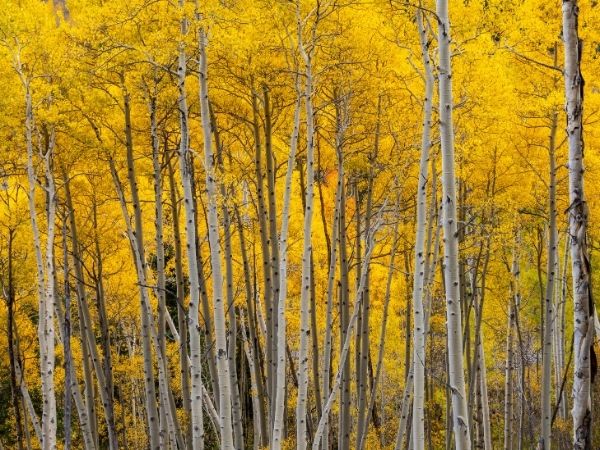
Francis Forest Ecology Lab
Forest and Rangeland Stewardship
The Francis Lab integrates satellite and airborne remote sensing with field data to understand forest disturbance regimes and how they are responding to climate change and management.
-
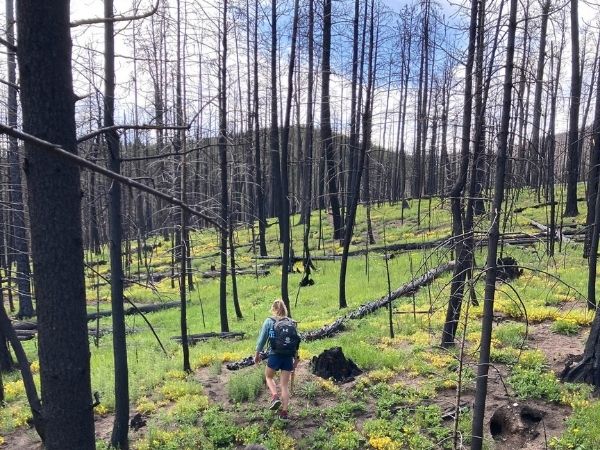
HART Lab
Forest and Rangeland Stewardship
Our research is focused on disturbance ecology and forest biogeography.
-

Indigenous Land & Data Stewards
Forest and Rangeland Stewardship
Our goal is to understand how Indigenous protocols and practices, which have guided human relationships with the land, water, air, plant and animal lifeforms for millennia, can guide present-day natural resource stewardship.
-
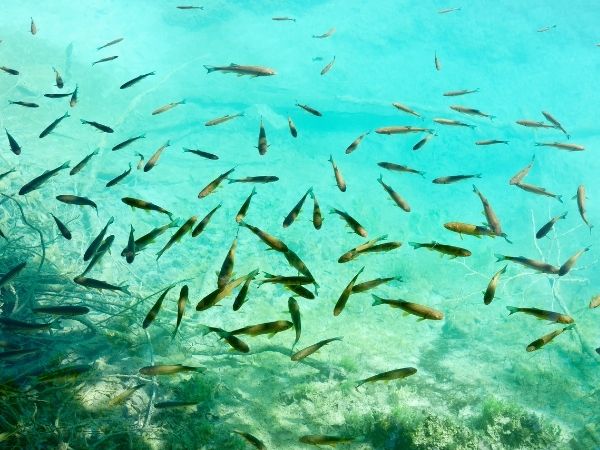
Johnson Lab
Fish, Wildlife and Conservation Biology
Contributing to the conservation and management of aquatic ecosystems via the research of food webs, lake and reservoir ecology, effects of nonnative species, fisheries management, water quality, contaminant ecology, and effects of climate.
-

Just by Nature Lab
Fish, Wildlife and Conservation Biology
Our multidisciplinary research blends conservation science and social science in pursuit of innovative solutions to conserve biodiversity while meeting diverse human needs.
-
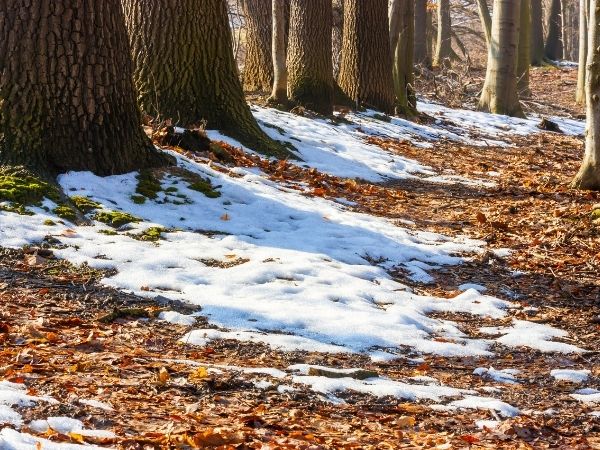
Kampf Group
Ecosystem Science and Sustainability
The Kampf group's research focuses on mountain snowpacks and downstream water availability, post-fire hazards, erosion, and debris flows, and how wildfire affects mountain hydrology.
-
Klein Lab Group
Ecosystem Science and Sustainability
Our research combines field experiments, local knowledge, modeling, systematic reviews, GIS, surveys, and synthesis to understand how interacting global changes affect pastoral and mountain ecosystems.
-
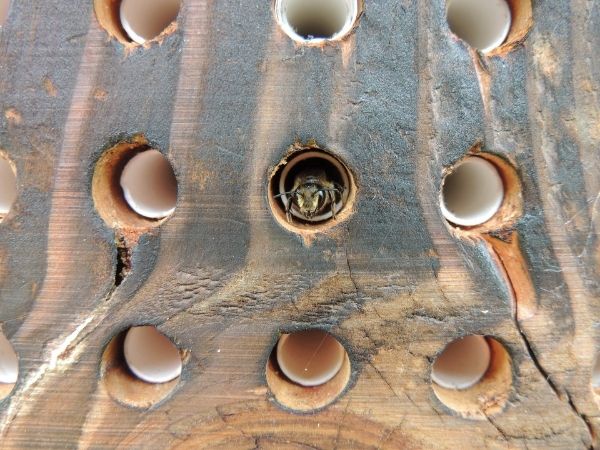
Mola Lab
Forest and Rangeland Stewardship
The Mola Lab conducts a variety of work mostly centered on pollinator and pollination ecology and conservation, as well as maintain an active outreach and education program.
-

Nature and Well-Being Research Group
Human Dimensions of Natural Resources
Our research group works to better understand the relationship between human well-being and nature. We believe that well-being is a powerful tool for supporting equitable and effective environmentalism.
-
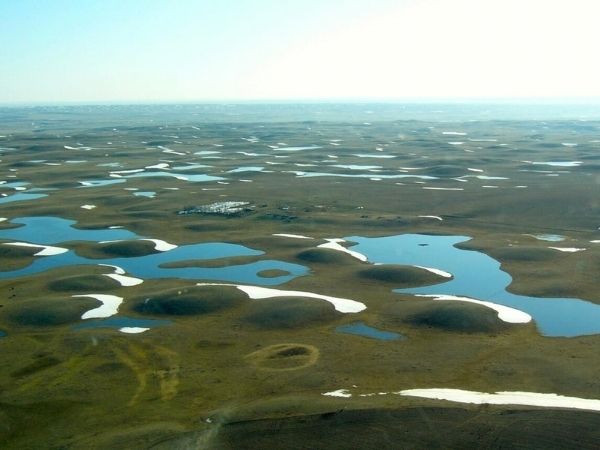
O’Connell Landscape Monitoring Lab
Ecosystem Science and Sustainability
We conduct research on broad-scale ecosystem resiliency and conservation through data science, remote sensing, field ecology, and ecological experiments, focusing on wetland-dominated landscapes
-
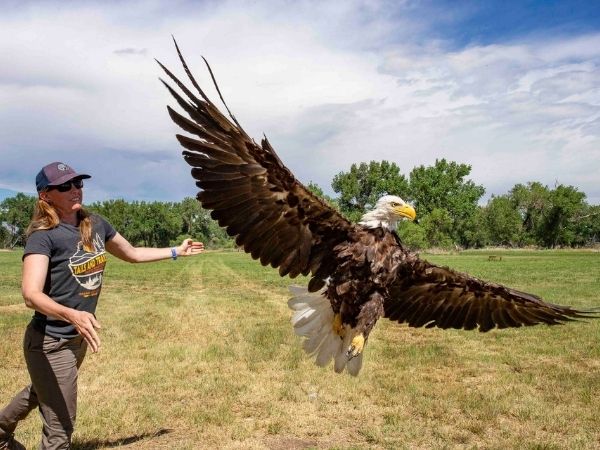
Pejchar Lab
Fish, Wildlife and Conservation Biology
The Pejchar Lab focuses on species loss, recovery, and invasive species on biodiversity and ecosystem function, as well as how to sustain plant and animal communities in landscapes dominated by agricultural production, residential development, and energy extraction.
-

Plant Ecophysiology Group
Forest and Rangeland Stewardship
The goal of our group is to identify the different mechanisms use to survive extreme weather events and then quantify important thresholds that can help us predict the mortality of plants to disturbances.
-
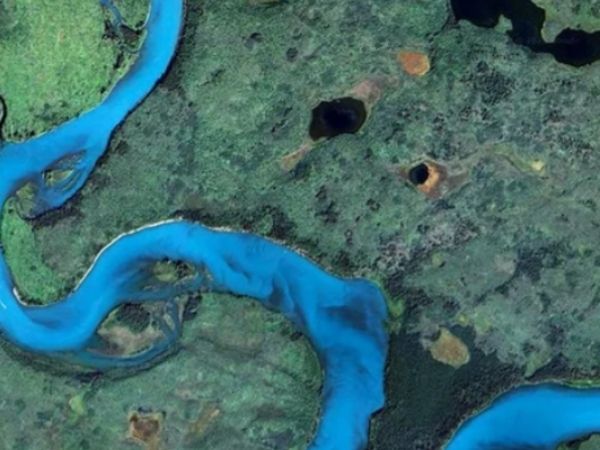
Radical Open Science Syndicate
Ecosystem Science and Sustainability
ROSS builds datasets, tools, workflows, and partnerships to help better understand and manage freshwaters in Colorado, the United States, and beyond
-

Restoration Ecology Lab
Forest and Rangeland Stewardship
In the Restoration Ecology Lab, we conduct innovative applied research on ways to assist the recovery of ecosystems throughout the United States that have been degraded, damaged, or destroyed by land use, pollutants, or natural disasters.
-

Riverine Carbon Research
Geosciences
Global climate is strongly controlled by the distribution of carbon between the atmosphere and the land. We study where carbon is located in river basins and the physical processes that control carbon storage to understand human impacts on and future trends in global climate.
-
Salerno Lab
Human Dimensions of Natural Resources
We study how and why people adapt to environmental changes, considering both social and biophysical aspects of environment as well as the consequences of adaptive behaviors, and how they vary across time and space.
-

The Public Lands Policy Group
Forest and Rangeland Stewardship
The PLPG centers on forest governance, with a particular focus on wildfire resilience, climate adaptation, collaborative restoration, and the role of science in policy and decision-making. The team applies research that informs agency practice, supports federal and state partners, and advances social-ecological resilience.
-

Traits and Ecosystems Lab
Forest and Rangeland Stewardship
We investigate how plant responses to environmental change scale up to drive ecosystem function. Our research spans ecosystems across the Americas to understand the functioning of terrestrial ecosystems across space & time.
-
U.S.-China Lab for Destination Development
Human Dimensions of Natural Resources
The U.S.-China Lab for Destination Development carries out research and consulting work focused primarily on Chinese tourism and destination development, with an emphasis on biocultural conservation, destination prosperity, and community wellbeing.
-

USDA UV-B Monitoring and Research Program
Ecosystem Science and Sustainability
A program measuring Ultraviolet Radiation and studying its effects on agriculture and the atmosphere.
-

Wetland and Floodplain Restoration Lab
Forest and Rangeland Stewardship
We study mountain ecosystems worldwide, with a primary emphasis on wetland and floodplain restoration and regulatory guidance for wetland mitigation, with specific interest in the structure and function of wetlands and floodplains, and in developing effective, defensible approaches to restoring ecological integrity and ecosystem services under changing environmental conditions.
-
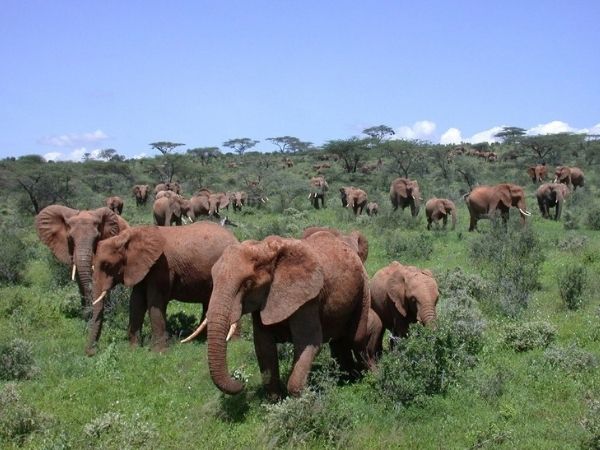
Wittemyer Lab
Fish, Wildlife and Conservation Biology
Our research strives to provide greater understanding of the factors influencing ecosystems and the manner in which species respond to these influences, with the ultimate aim of providing empirical based information and strategies to address conservation challenges .
No results match the selected filters.